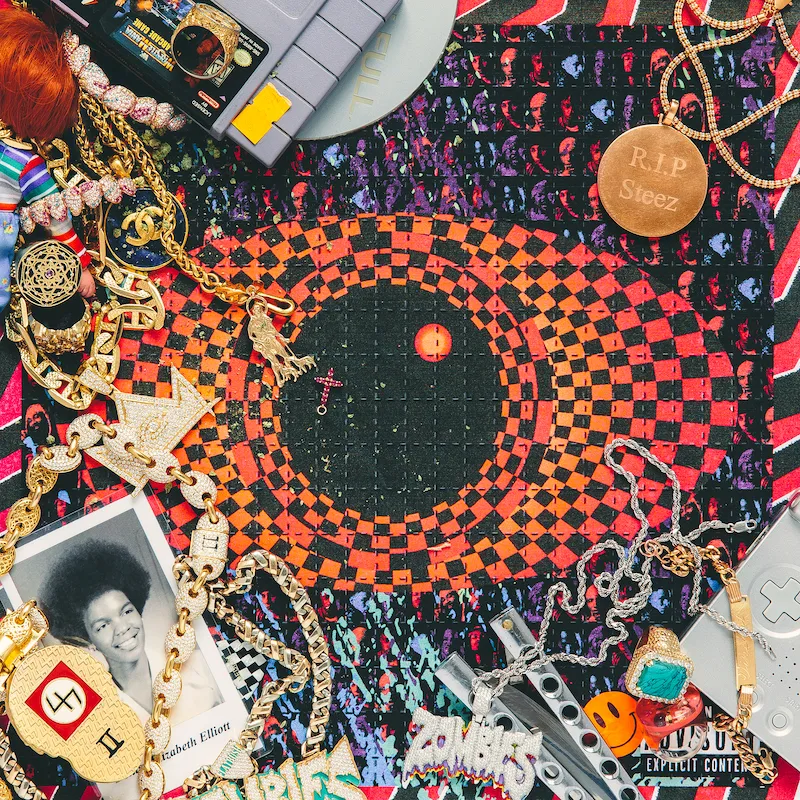
If you aren’t familiar, Beast Coast consists of groups like Pro Era, Flatbush Zombies, and The Underachievers. It was a massive collective of talented rappers and producers from Brooklyn, all raised within blocks of each other in Flatbush and Bedford-Stuyvesant. From 2012 to 2018, you really had to be there to understand the significance of this movement.
Where It Started
Beast Coast formed in 2012, but the bonds went back further than that. Pro Era came together at Edward R. Murrow High School. The Underachievers and Flatbush Zombies’ Zombie Juice were connected through a childhood friend of AK the Savior. These weren’t strangers linking up for a business move, they grew up together, and that’s part of why the chemistry never felt forced.
The same year the collective formed, Pro Era co-founder Capital STEEZ passed away. His presence is still felt in how the crew talks about that era, and his loss became part of the foundation the rest of the movement was built on.
The Come Up
By 2013, the three groups hit the road together on the Beast Coastal tour, playing shows across the country before most of them had a proper album out. Flatbush Zombies were deep into their D.R.U.G.S. and BetterOffDEAD run. The Underachievers dropped Indigoism and built a cult following off pure internet word of mouth. Pro Era, led by Joey Bada$$, was proving New York boom bap still had a pulse in a mixtape era dominated by trap.
None of these acts had major label muscle behind them yet. What they had was a sound, a work ethic, and each other.
Why It Hit Different
Beast Coast never felt like a marketing rollout. It felt like a real crew that happened to make incredible music, three groups with distinct identities who still moved like one unit on stage and on record. That’s rare. Most “collectives” in hip hop are built after the fact by a label. This one was built by proximity, friendship, and shared ambition first.
By the time the full group properly united as Beast Coast for the “Left Hand” single and their 2019 album Escape From New York, some fans felt like the moment had already passed. The mixtape era, the DIY shows, the Beast Coastal tour, that was the real foundation. Everything after was just the world catching up.
The Legacy
You can hear Beast Coast’s fingerprints all over the current wave of New York rap that leans into darker, more experimental production. The gritty, DIY, no-label-needed approach these groups took in the early 2010s is a blueprint a lot of artists are still running today, whether they credit it or not.
If you were around for it, you know. If you weren’t, go back and run the catalog: D.R.U.G.S., Indigoism, 1999. That’s where the era actually lives.
 WavCheck
Leave a comment