Kendrick Lamar made Grammy history in February. Rap still runs the internet. And yet not one rap song has topped the Billboard Hot 100 in 2026. The disconnect is bigger than it looks.
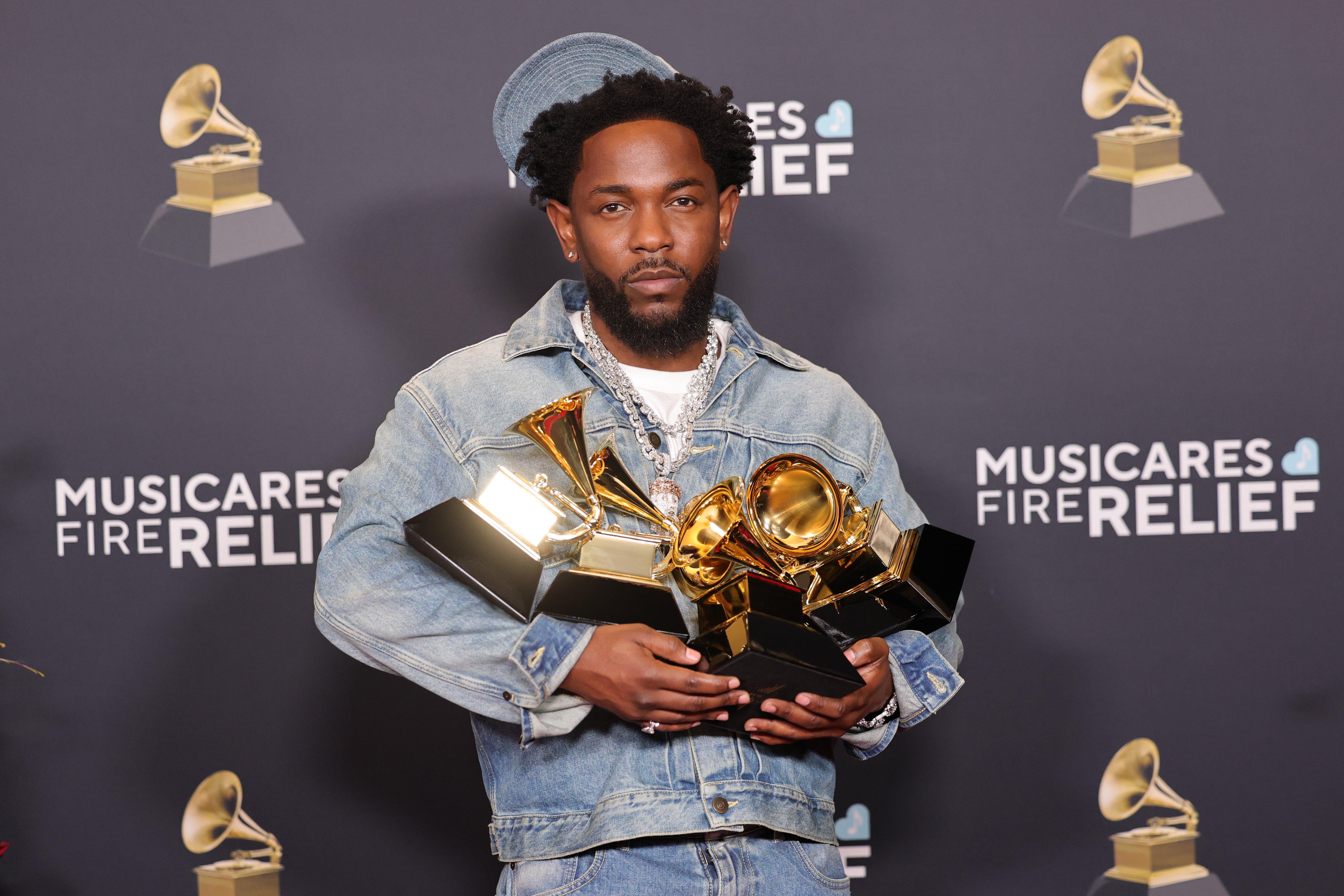
On February 1, 2026, Kendrick Lamar stood at the podium at Crypto.com Arena in Los Angeles and made history. Five Grammys in one night. A record-breaking 27th career win, surpassing Jay-Z to become the most-awarded rapper in Grammy history. In his acceptance speech, he said what the culture already knows: “Hip-hop is gonna always be right here.”
He was not wrong about the culture. But he may have been talking about a different chart than Billboard’s.
Because while rap cleaned up at the biggest awards night in music, it has been virtually invisible at the top of the Hot 100 in 2026. Not close. Not knocking on the door. Nowhere near it.
Every #1 Song of 2026 — And What’s Missing
Here is every song that has reached number one on the Billboard Hot 100 so far in 2026:
| Song | Artist | Genre | Weeks at #1 |
|---|---|---|---|
| “All I Want for Christmas Is You” | Mariah Carey | Holiday Pop | Re-entry |
| “The Fate of Ophelia” | Taylor Swift | Pop | 10+ (spanning late 2025) |
| “I Just Might” | Bruno Mars | Pop/R&B | 2 |
| “Aperture” | Harry Styles | Pop | 1 |
| “Choosin’ Texas” | Ella Langley | Country | 5 |
| “DTMF” | Bad Bunny | Reggaeton | 1 |
| “Opalite” | Taylor Swift | Pop | 1 |
| “Swim” | BTS | K-Pop | 1 |
Country. Pop. Holiday. Reggaeton. K-Pop. Taylor Swift twice. Not a single rap song.
0 Rap songs at #1 on the Billboard Hot 100 in 2026 — as of April 14, 2026.
T.I. Is Back — But Not Where You Think
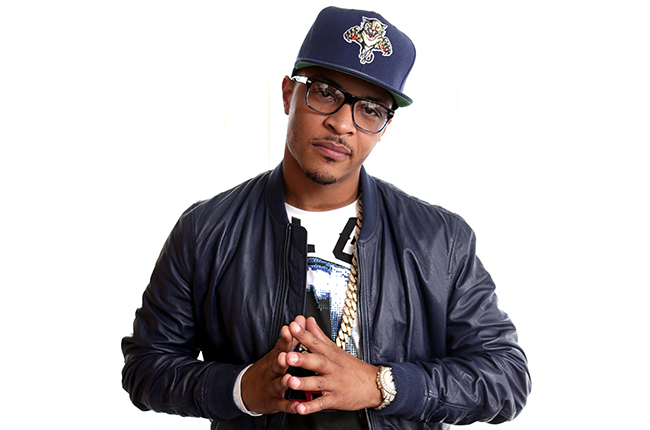
The closest thing to a rap victory on the main chart in 2026 is T.I.’s “Let Em Know,” produced by Pharrell Williams, the lead single off his announced final studio album Kill the King. The track debuted at #38 on the Hot 100 and peaked at #36 — his highest solo Hot 100 placement since 2014 and his first return to the chart’s top 50 since 2012.
That is genuinely significant for Tip. A 12-year absence from the Hot 100, broken by a Pharrell-produced record that has now gone Gold with over 102 million streams. The song also hit #1 on Billboard’s Mainstream R&B/Hip-Hop Airplay chart and, as of this week, topped the Mediabase Rhythmic Radio chart as well.
But #36 on the Hot 100 is not #1. And the distinction matters.
#36 T.I.’s “Let Em Know” peak on the Billboard Hot 100 — his best solo chart position since 2014, and the highest-charting rap song of 2026 so far.
The Numbers From 2025 Told This Story First
This is not a 2026 anomaly. The data from 2025 set up everything we are watching now.
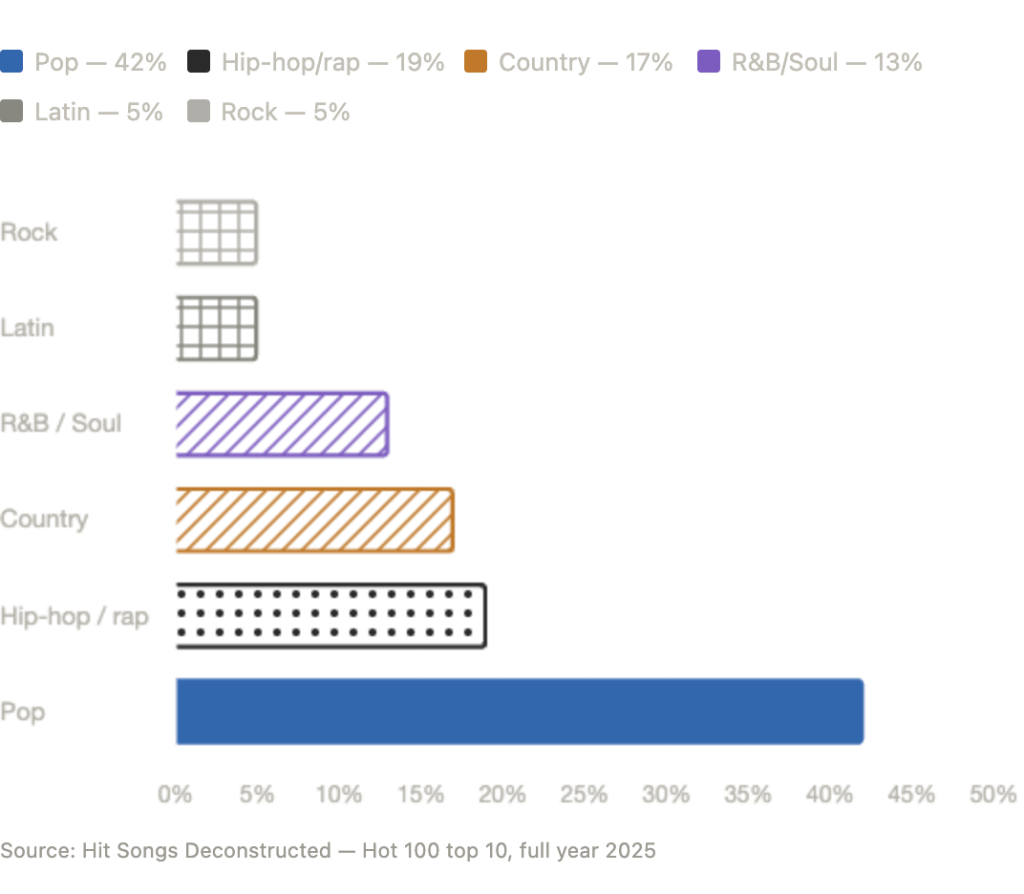
According to Hit Songs Deconstructed’s annual report on the Hot 100, hip-hop and rap accounted for just 19% of all top 10 entries on the Hot 100 in 2025 — exactly half of its 38% share from 2024. That was the genre’s lowest representation in the Hot 100 top 10 since 2016. Meanwhile, pop climbed to 42%, and country held 17%, largely driven by Morgan Wallen and Shaboozey.
19% Hip-hop/rap’s share of the Hot 100 top 10 in 2025 — down from 38% the year before. The lowest figure since 2016.
To put it plainly: rap went from owning the top 10 to being a minority genre on the chart in the span of one year.
At the Grammys, a Different Reality
While the charts tell one story, award season told the opposite. At the 68th Annual Grammy Awards in February 2026, Kendrick Lamar won five awards in a single night — Best Rap Album for GNX, Best Rap Song for “TV Off,” Best Rap Performance for “Chains & Whips” (with Clipse), and a second consecutive Record of the Year win for “Luther” with SZA. His 27 total Grammy wins now stand as the most ever by a rapper, breaking Jay-Z’s record of 25.
Hip-hop also occupied a central place in the ceremony beyond Lamar. Clipse, Pharrell Williams, and Voices of Fire performed together. Tyler, the Creator and Doechii each earned nominations across major categories. Bad Bunny, whose reggaeton sits adjacent to hip-hop culturally, won Album of the Year for Debí Tirar Más Fotos — the first Spanish-language album to win the award.
“Every time I tell you this: hip-hop is gonna always be right here.” — Kendrick Lamar, 2026 Grammy acceptance speech
Albums Tell a Slightly Different Story
The disconnect between rap’s critical standing and its commercial chart performance is somewhat softer when you look at albums rather than songs. In 2026, J. Cole debuted at #1 on the Billboard 200 with The Fall Off, and Don Toliver earned his first #1 album with Octane. That is real. Rap can still move album units.
But song charts are where culture is measured in real time. They reflect what people are streaming on repeat, what radio is playing, what Gen Z is putting on their Stories. And on that front, rap has been getting consistently outpaced by pop and country in a way that would have been hard to predict five years ago.
So What Is Actually Happening?
A few things are converging at once.
Pop had its biggest resurgence in a decade in 2025, largely powered by Taylor Swift’s dominance —she alone racked up 10 Hot 100 top 10 entries in 2025 from a single album. Harry Styles returned with Grammy momentum. Bruno Mars released his first solo album in nearly a decade. Country, which has been building for years, delivered Morgan Wallen’s most commercially dominant stretch of his career. K-pop returned with BTS.
At the same time, rap’s biggest cultural moment of the last two years — the Kendrick vs. Drake feud, the Super Bowl halftime performance, the “Not Like Us” rollout — was a streaming phenomenon that translated to awards and cultural dominance without necessarily moving the needle on mainstream pop radio, which still has disproportionate weight in the Hot 100 formula.
Rap is loud, it is winning, and it is setting the cultural agenda. It just is not, at this particular moment, writing the mainstream radio hits that push a song to the very top of a multi-format, multi-metric chart.
102M+ U.S. streams for T.I.’s “Let Em Know” — the closest a rap song has come to the top of the Hot 100 in 2026. It peaked at #36.
Being Underground Right Now Is a Feature, Not a Bug
Here is the part most people miss when they read these numbers as bad news for rap: hip-hop has always been most creative when it has the least to lose on a mainstream chart.
This is where the genre was born. The Bronx, 1973. No radio play. No label support. Just block parties and a culture that had something to say and built its own infrastructure to say it. The music that came out of that margin — that refusal to wait for mainstream validation — eventually became the most commercially dominant genre on the planet. It did not get there by chasing what was already popular. It got there by being so undeniable that the mainstream had to come to it.
Every major creative era in hip-hop has started underground. Boom bap in the late 80s. West Coast gangsta rap in the early 90s. Dirty South before it had a name. Trap before the word existed in music. Cloud rap. Drill. Hyperpop-adjacent rap. Every single one of those movements incubated outside the mainstream before it took it over.
A New Phase Is Coming
This is a transition moment, not a decline. The chart data reflects a genre catching its breath between dominant cycles, not one that is fading. Rap has been here before — slightly outside the pop mainstream, creative energy building, the next wave forming before anyone can name it.
The last time hip-hop had this low a share of the Hot 100 top 10 was 2016. Two years later, trap had completely taken over the chart. The cycle is not random. When rap steps back from the mainstream, it tends to return harder and with something new to say.
Something is being built right now in studios, on SoundCloud pages, in comment sections, at shows with 300 people. It does not have a name yet. It will. And when it hits, the Hot 100 will follow. It always does.
The Takeaway
The culture is not losing. Kendrick Lamar is the most Grammy-winning rapper in history. Rap still dominates streaming globally, sets the fashion conversation, shapes slang, and drives the discourse. None of that has changed.
But the Billboard Hot 100 is a specific instrument — it measures sales, streams, and radio airplay across all formats. And right now, rap is not winning that particular race. That gap between cultural relevance and pop chart performance is worth watching. Because historically, when the culture is this vibrant and the charts are this out of step, something corrects. It always does.
The question is who delivers the song that closes the gap.
Sources: Billboard Hot 100, Billboard 200, Hit Songs Deconstructed 2025 Annual Report, Grammy.com, The Source, Larimar Media, Foxy99. Data current as of April 14, 2026.


Leave a comment