Ye, formerly known as Kanye West, has returned with his twelfth studio album after one of the most chaotic rollouts in hip-hop history.
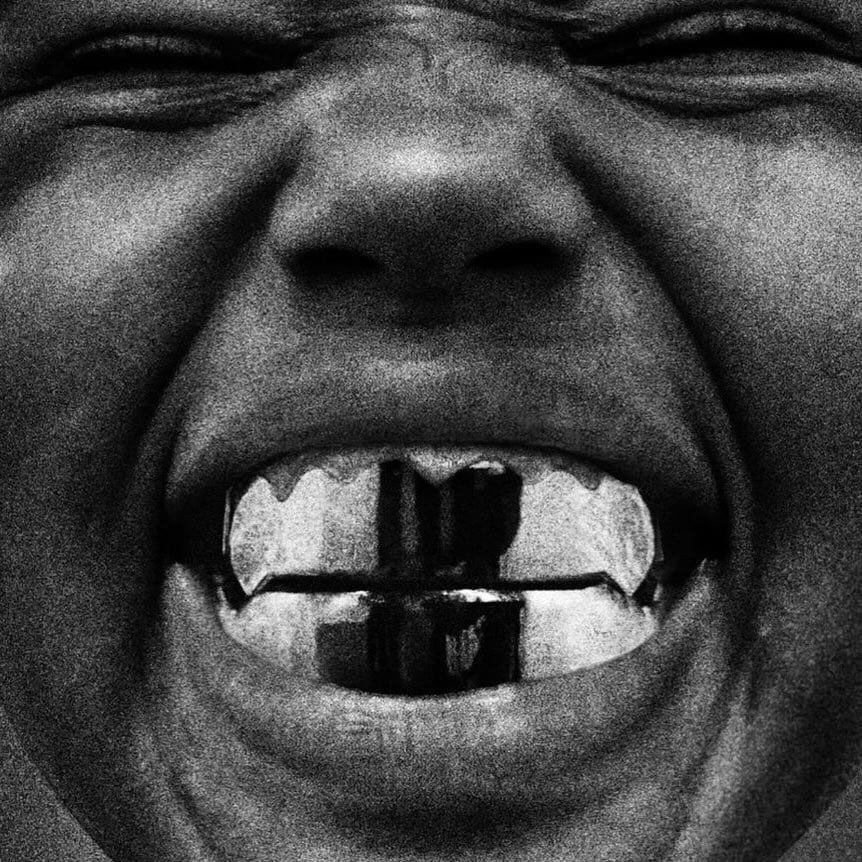
We’ve seen five albums from the Louis Vuitton Don this decade, and BULLY stands out as his most polished to date. That’s not a knock on projects like VULTURES 1 and 2 or the heavyweight Donda. It’s a sign that Ye has finally let go of the need to prove himself through a conventional rollout. Ever since the chaotic arrival of The Life of Pablo, fans have come to embrace the unorthodox — listening parties at MSG, a ranch in Wyoming, and 24-hour streams from the Mercedes-Benz Stadium.
The album opens with a theatrical monologue from Duke Edwards, seemingly crowning Ye as king, before snapping into abrasive MBDTF-style distorted guitars layered over industrial kicks, snares, and a looping chant built around a 1967 jazz sample.
The delivery on these verses mirrors the bravado and clever wordplay we heard on tracks like “Dark Fantasy.” MBDTF was born out of his most controversial moment at the time, and he returned to the spotlight swinging harder than ever. “King” carries that same energy, now filtered through a more mature version of Ye still learning to balance his vices.
“I brought a white queen to the altar / Couldn’t happen without Martin Luther, the / (Named you the king)”
A clever forced bar that nods to his taste in women while syncing with the Duke Edwards chant to complete the phrase. It’s the kind of wordplay that reminds you the wit never left. “King” is harrowing in the best way — a kick-in-the-door opener that puts you face to face with Ye’s reflection on the last two years, sonically and lyrically.
The first bars he delivers set that tone immediately:
“Know you wonder where the ‘F’ he been / But I’m back to life like an Epi-Pen”
That line captures what the fanbase has been holding onto through years of controversy. He made choices that felt impossible to come back from. But you already know that story; he’s not here to retell it. Ye acknowledges his old self has been MIA without asking for acceptance. He’s offering himself in this form and this form only — take it or leave it.
It’s no surprise the 24x Grammy Award-winning artist was tapped to executive produce Whole Lotta Red, because we get that same energy on THIS A MUST — an 808-heavy, rage-influenced cut that hits like a brick wall.
FATHER is a peak moment on the album. Ye and longtime protege Travis Scott bring back that raw industrial sound, bragging about coats and kicks over a head-knocking bass line and a sample of Johnnie Frierson’s “Heavenly Father, You’ve Been Good.”
What began as an eight-minute freestyle on a Digital Nas Twitch stream became the most streamed song on the album. ALL THE LOVE features production from frequent collaborator 88-Keys, whose fingerprints are all over Ye’s catalog, including Blood on the Leaves, No Church in the Wild, and Hurricane. The beat carries a primal industrial drum pattern that rocks stadiums the same way “Black Skinhead” and “So Amazing” did. Ye weaves Fairuz’s 1963 Lebanese classic “Fayek Alaya” into a warped, gospel-inflected production that collides the chaos of Yeezus with the talkbox legacy of Roger Troutman — a legacy André Troutman carries forward on this very track. The result is vivid and cathartic, like a breakthrough therapy session for anyone who’s stuck with Ye through his darkest chapters. At 3:50, it’s the longest track on the album, and it earns every second.
We get constant glimpses of The College Dropout era on PUNCH DRUNK and WHATEVER WORKS. The chipmunk soul chops accompany some of Ye’s sharpest writing on the project, delivered with a carelessness that reads as completely genuine. In layman’s terms, he’s hitting a Kanye shrug when he riffs off “whatever works, works.”
MAMA’S FAVORITE is a poetic whirlwind that clashes against hard, snappy drums to deliver one of the most refreshing sounds on the project. Nine Vicious adds additional vocals, and the music and emotions stay on the edge in every way imaginable.
Ye samples Donda West’s voice from the Jeen-Yuhs documentary, making this one of the most emotionally loaded moments on the album. His soft, melodic flow leads into a celestial outro featuring an archival conversation between a young Ye and his mother — Donda’s voice instilling the self-confidence that carried him to greatness, landing with a supernatural weight. It sits in the same sacred space as “Hey Mama” and “Only One.”
The most unexpected feature on the project doesn’t fall short. One of the hottest names from the new wave drops an iconic “say what” adlib over sporadic mechanical percussion and muted snares that give the track a galloping bounce. Ye has a history of tapping into the next sound early — we saw it on “pt. 2” with Desiigner — and he has a gift for pinpointing what makes a new artist stand out, then scaling that energy to the masses in a way few others can.
The title track opens with Nelson Muntz’s signature taunting laugh from The Simpsons, and you immediately know it’s going to be something. Gargantuan string runs hit like a score from a blockbuster Western, and CeeLo Green arrives with godlike proclamations that elevate the entire record.
“Obey, hey, baby, do what I say”
The track feels like a manic, globe-spanning collage of influences crashing into one another in a violently beautiful display.
CIRCLES features Don Toliver as the two trade bars about their vicious cycles of life. The iconic Cortex sample and repeated lyrics are deliberate, mimicking the constant loop Ye has found himself in throughout his controversies.
BULLY makes one thing clear:
Ye has mastered his own volatile birth process. The listening parties, the mastering updates, the chaos mid-rollout.
That’s not a mess. That’s just Ye.
And he’s not going anywhere.
Album rating (7.2/10)
-Max Cruz.
 WavCheck
Leave a comment